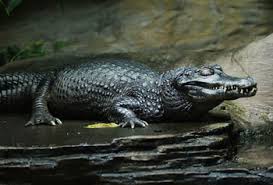
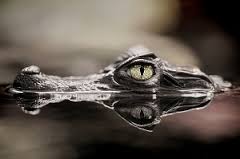
Black Caiman

imgres-8imgres-9

The Black Caiman is the largest crocodilian, and is also one of the biggest members of the family Alligatoridae.

The Black Caiman can grow up to 5 metres to 6 metres in length.

Hatchlings eat fish, Invertebrates, Frogs, Insects and Crustaceans, while juveniles eat large fish such as, Perch, Piranhas and Catfish, which remain significant food for the rest of their lives, and adult Black Caimans eat Turtles, Snakes, Birds and Mammals, Sloths, Armadillos, Pacas, Monkeys, Capybaras, Agoutis, Coatis, Deer, Peccaries, Giant Otters, Anacondas, Tapirs, pigs, horses, cattle and dogs.

Here is a video showing pictures of a Black Caiman fighting an Anaconda.
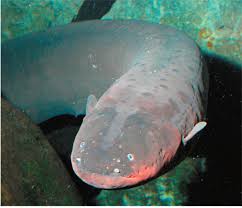
 

Electric Eel

images-15imgres-7

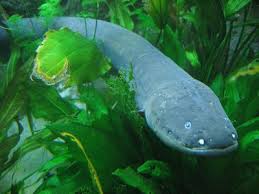
Electric Eels are a species of Knifefish despite their name that lives in the Amazon and Orinoco River.

They are more closely related to Catfish than Eels.

It can generate up to 860 volts of electricity which it uses for hunting, self-defence and communicating with other Electric Eels.

Electric Eels can be 2 metres in length, and can weigh up to 20 kilograms.

They are dark grey-brown on the back and yellow or orange on the belly.

Here is a video about Electric Eels.


Leatherback Turtle

images-12 images-11

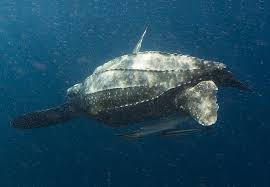
The Leatherback Turtle is a species of turtle living in all tropical and subtropical oceans such as The Atlantic Ocean and the Western and Eastern Pacific ocean.

They are the largest species of Turtle in the world.

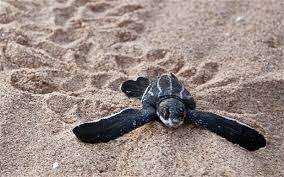
Their hatchlings have a larger scale than any other types of sea turtle hatchlings.

They are also called Lute Turtles or Leathery Turtles.

They are the fastest reptiles, moving at 21.92 miles per hour in the water.

However, Leatherback Turtles are an endangered species of sea turtles.

We must help to protect Leatherback Turtles.

Here is a video about Leatherback Turtles.

Wobbegong

images-10imgres-4

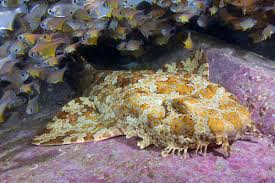
Wobbegong is the common name given to the 12 species of carpenter sharks

living in the tropical waters of the Western Pacific Ocean and the Eastern Indonesian ocean.

They hide among rocks and catch small fishes that swim too close to them.

The word Wobbegong is believed to be “shaggy beard” in Australian Aborigonal language.

The biggest types are the Spotted and Banded Wobbegongs.

Spotted and Banded Wobbegongs can reach 3 metres in length and

others are about 1.25 metres in length.

This is a video about wobbegongs.