Black Caiman

imgres-8imgres-9

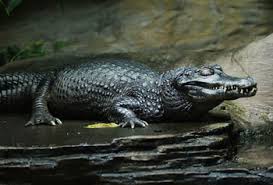
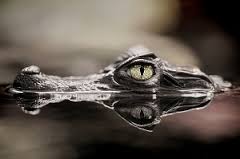
The Black Caiman is the largest crocodilian, and is also one of the biggest members of the family Alligatoridae.

The Black Caiman can grow up to 5 metres to 6 metres in length.

Hatchlings eat fish, Invertebrates, Frogs, Insects and Crustaceans, while juveniles eat large fish such as, Perch, Piranhas and Catfish, which remain significant food for the rest of their lives, and adult Black Caimans eat Turtles, Snakes, Birds and Mammals, Sloths, Armadillos, Pacas, Monkeys, Capybaras, Agoutis, Coatis, Deer, Peccaries, Giant Otters, Anacondas, Tapirs, pigs, horses, cattle and dogs.

Here is a video showing pictures of a Black Caiman fighting an Anaconda.
 

Electric Eel

images-15imgres-7

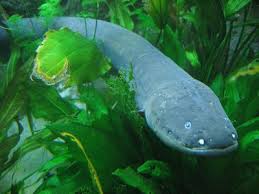
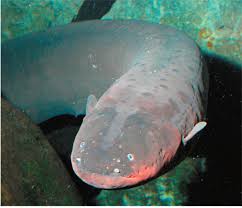
Electric Eels are a species of Knifefish despite their name that lives in the Amazon and Orinoco River.

They are more closely related to Catfish than Eels.

It can generate up to 860 volts of electricity which it uses for hunting, self-defence and communicating with other Electric Eels.

Electric Eels can be 2 metres in length, and can weigh up to 20 kilograms.

They are dark grey-brown on the back and yellow or orange on the belly.

Here is a video about Electric Eels.


Giant Otter

images-7images-6

The Giant Otter is a carnivorous mammal that lives in North- Central South America.

They live mostly in or along the Amazon River and the Pantanal.

Giant Otters are also called River Wolves or Water Dogs.

Males are 1.5 to 1.7ft long from head to tail and females are 1 to 1.5ft long, and their tails are about 70cm long.

Males are 26 to 32kg and females are 22 to 26kg in weight.

They mostly eat Piranhas (see River creatures) and Catfish.

However, they are endangered animals. In 2003 there was only about 60 Giant Otters left in the wild.

Here is a video about Giant Otters.

Piranhas

Pirhana06images


Piranhas are usually 14 to 26cm long. Although some specimens have been reported to be up to 17.0  inches  (43cm) in length.

Newborn piranhas feed on zooplankton and eventually move on to small fish when older.

As United States President Theodore Roosevelt described piranhas in his book, Through the Brazilian Wilderness:

“They are the most ferocious fish in the world. Even the most formidable fish,the sharks or the barracudas,normally attack things smaller than themselves. But the piranhas habitually attack things bigger.”

Piranhas eat fish, crustaceans, aquatic plants, fruits, seeds, lizards, insects, carrion that reaches the water, birds, young caimans, baby anacondas, other piranhas and also capybaras.

This is a video about Piranhas:

Mudskippers

images-2 images-4

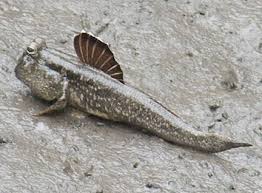
Mudskippers can catapult themselves up to 60cm in the air.

They are a kind of amphibian, but look like fish.

Mudskippers can survive outside the water by trapping water in their gill chambers.

They can also breath through their skin (when they are wet).

Mudskippers can also climb trees.

Their predators are mostly lizards.

This is a video about mudskippers.