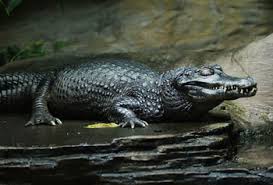
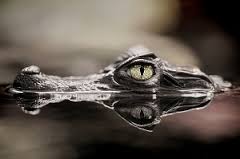
Black Caiman

imgres-8imgres-9

The Black Caiman is the largest crocodilian, and is also one of the biggest members of the family Alligatoridae.

The Black Caiman can grow up to 5 metres to 6 metres in length.

Hatchlings eat fish, Invertebrates, Frogs, Insects and Crustaceans, while juveniles eat large fish such as, Perch, Piranhas and Catfish, which remain significant food for the rest of their lives, and adult Black Caimans eat Turtles, Snakes, Birds and Mammals, Sloths, Armadillos, Pacas, Monkeys, Capybaras, Agoutis, Coatis, Deer, Peccaries, Giant Otters, Anacondas, Tapirs, pigs, horses, cattle and dogs.

Here is a video showing pictures of a Black Caiman fighting an Anaconda.
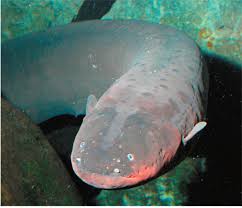
 

Electric Eel

images-15imgres-7

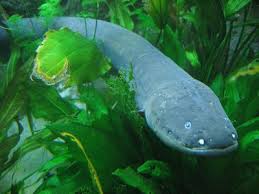
Electric Eels are a species of Knifefish despite their name that lives in the Amazon and Orinoco River.

They are more closely related to Catfish than Eels.

It can generate up to 860 volts of electricity which it uses for hunting, self-defence and communicating with other Electric Eels.

Electric Eels can be 2 metres in length, and can weigh up to 20 kilograms.

They are dark grey-brown on the back and yellow or orange on the belly.

Here is a video about Electric Eels.


Leatherback Turtle

images-12 images-11

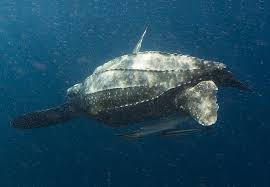
The Leatherback Turtle is a species of turtle living in all tropical and subtropical oceans such as The Atlantic Ocean and the Western and Eastern Pacific ocean.

They are the largest species of Turtle in the world.

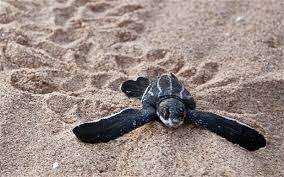
Their hatchlings have a larger scale than any other types of sea turtle hatchlings.

They are also called Lute Turtles or Leathery Turtles.

They are the fastest reptiles, moving at 21.92 miles per hour in the water.

However, Leatherback Turtles are an endangered species of sea turtles.

We must help to protect Leatherback Turtles.

Here is a video about Leatherback Turtles.

Wobbegong

images-10imgres-4

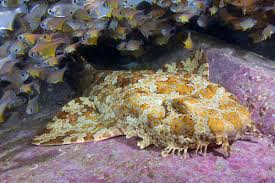
Wobbegong is the common name given to the 12 species of carpenter sharks

living in the tropical waters of the Western Pacific Ocean and the Eastern Indonesian ocean.

They hide among rocks and catch small fishes that swim too close to them.

The word Wobbegong is believed to be “shaggy beard” in Australian Aborigonal language.

The biggest types are the Spotted and Banded Wobbegongs.

Spotted and Banded Wobbegongs can reach 3 metres in length and

others are about 1.25 metres in length.

This is a video about wobbegongs.


Woolly Rhino


imgres-3imgres-2

The Woolly Rhino is a species of extinct Rhino that lived in the ice age and lived in Europe and Northern Asia

Adults would be about 3 to 3.8metres long and a weight of 2721 to 3175kg, and could grow up to two metres tall.

Their horns must had been used to dig up plants to eat or for defence.

Woolly Rhinos must have been extinct because of hunting or climate change at the end of the ice age.

Here is a video about Woolly Rhinos.

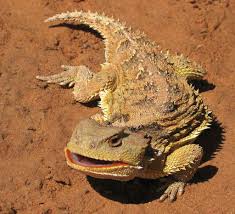
Desert Horned Lizard

images-8240px-Desert_Horned_Lizard

Desert Horned Lizards are a species of Horned Lizards living in the deserts of North America.

They are also called “Horny Toads” but they are Lizards.

They eat a lot of insects such as ants, crickets grasshoppers, beetles, worms and flies.

Desert Horned Lizards can blend in to brownish soil so be careful!

So that you don’t step on them (They are actually quite gentle)!

But when they are threatened, they can squirt blood out of their eyes!!

Here is a video about Desert Horned Lizard


Giant Otter

images-7images-6

The Giant Otter is a carnivorous mammal that lives in North- Central South America.

They live mostly in or along the Amazon River and the Pantanal.

Giant Otters are also called River Wolves or Water Dogs.

Males are 1.5 to 1.7ft long from head to tail and females are 1 to 1.5ft long, and their tails are about 70cm long.

Males are 26 to 32kg and females are 22 to 26kg in weight.

They mostly eat Piranhas (see River creatures) and Catfish.

However, they are endangered animals. In 2003 there was only about 60 Giant Otters left in the wild.

Here is a video about Giant Otters.

http://www.youtube.com/watch?v=OLspg9Jb4-4

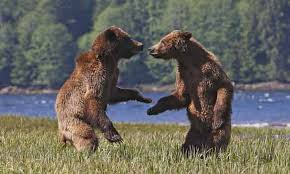
Grizzly Bear

imgres-1images-5

The Grizzly Bear is a subspecies of Brown Bear living in North America.  They are nicknamed the Silvertip Bear because of its shiny, silvery fur.

Grizzly Bears eat almost anything, from tough plants, to insects and roots, then to shellfish such as clams. They live in North America, where there is plenty of salmon to eat.

Grizzly Bears are 6 to 7 feet tall when they are standing, and are 3 to 4 feet tall on all fours.

A female Grizzly Bear are called a sow.  Sows weigh 130 to 200kg, and male Grizzly Bears weigh 180 to 360kg.

A sow will hunt for food, and take care of her cubs and herself.

A male Grizzly Bear will be single, and will just need to take care of himself.

Here is a video about Grizzly Bears.

Harp Seal

images-3  images-4

Harp Seals are cute animals that live in the coldest polar regions.

They are yellowish-white and furry when they are young, but as soon as they are older, they somehow lose their fur and become silvery-grey.

They have four flippers and a tail.

They swim by putting their back flippers and tail together and moving them up and down.

They are 140 to 190kg in weight, and grow up to 1.7 to 2.0cm.

Sadly, Harp Seals are hunted for food, it happens in late march in the Gulf of St.Lawrence.

This is a video about Harp Seals.


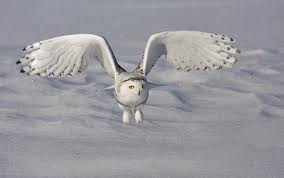
Snowy Owl

imgresimages-2

The Snowy Owl lives in the regions near the North Pole.

It is a large bird that averages 52 to 71cm long, and has a wingspan of 125 to 150cm.

Snowy Owls eat lemmings and rodents in the mating season, but in the winter Snowy Owls eat an extensive variety of animals, mainly rodent types, birds and fowls.

They have few predators, such as arctic foxes, swift-flying  jaegers and corvids.

Here is a video about Snowy Owls: